
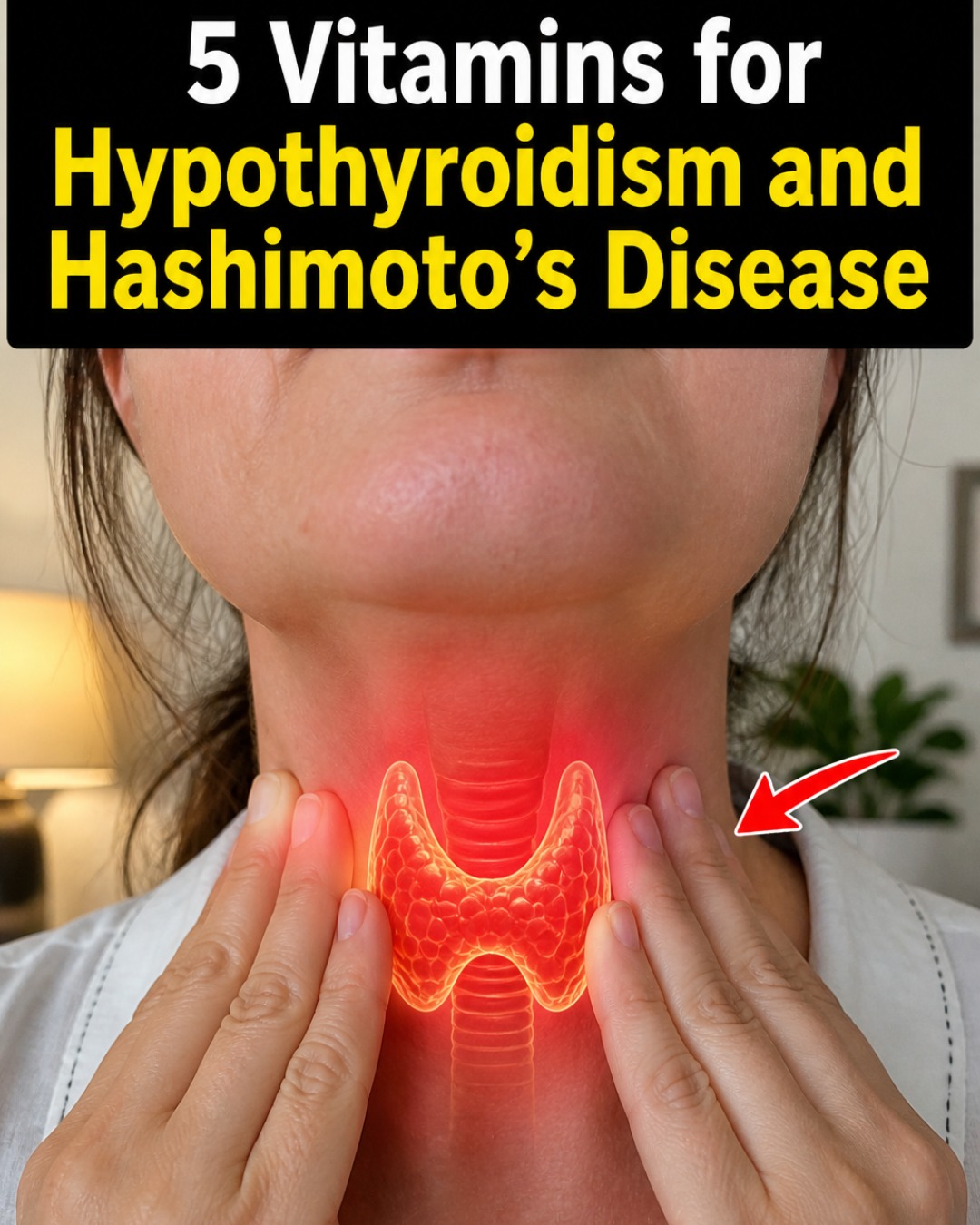
Living with hypothyroidism or Hashimoto’s disease often means battling persistent fatigue, brain fog, and unexplained weight fluctuations that make even simple daily routines feel draining. These challenges can leave you feeling frustrated and disconnected from the active life you want, especially when symptoms linger despite your best efforts. The encouraging news is that specific vitamins play an important supportive role in thyroid function and overall well-being. In this article, we’ll explore five key vitamins that research suggests may help support thyroid health — and stay with me until the end for one practical way to maximize their benefits in your daily routine.
Why Certain Vitamins Matter for Thyroid Support
Your thyroid gland is a small but mighty organ that regulates metabolism, energy, and mood. When it’s underactive — as in hypothyroidism or the autoimmune condition Hashimoto’s — everyday functions can slow down. Studies suggest that nutrient levels influence how well the thyroid produces and converts hormones, supports immune balance, and maintains energy. While no single vitamin replaces medical care, maintaining optimal levels of key vitamins may complement your overall approach to thyroid health. Here’s what the science shows about five standout vitamins.
Vitamin D: The Immune-Supporting Sunshine Vitamin
Vitamin D có công dụng gì đối với cơ thể?
Vitamin D stands out as one of the most researched nutrients for people with thyroid concerns. Research links low vitamin D levels to higher rates of thyroid antibodies and fatigue in those with Hashimoto’s and hypothyroidism. It acts like a regulator for immune activity and helps the body use thyroid hormones more effectively.
Many experts note that vitamin D deficiency is surprisingly common in these conditions. One review of studies found that people with autoimmune thyroid issues often have lower blood levels of this vitamin compared to the general population.
Simple Ways to Support Your Vitamin D Levels
Spend 10–15 minutes in midday sunlight several times a week (depending on your skin tone and location).
Include fatty fish like salmon or fortified foods such as milk and orange juice.
Consider a quality supplement after testing your levels — most health professionals recommend aiming for 30–50 ng/mL or higher.
But here’s what makes this vitamin even more interesting… Pairing it with consistent habits can make a noticeable difference in how you feel day to day.
Vitamin B12: Fueling Energy and Nervous System Health
Vitamin B12 có tác dụng gì mà não bộ và máu đều cần?
Fatigue is one of the most common complaints with hypothyroidism, and vitamin B12 deficiency often overlaps with it. Research shows that up to 40% of people with autoimmune thyroid conditions may have lower B12 levels, sometimes due to absorption challenges or related digestive issues.
This vitamin helps produce red blood cells, supports nerve function, and plays a role in converting food into usable energy. Studies suggest that addressing B12 levels can help reduce tiredness and improve mental clarity for many individuals managing thyroid symptoms.
Foods Rich in Vitamin B12
Animal products like eggs, dairy, meat, and fish
Fortified cereals and nutritional yeast for plant-based options
High-quality B12 supplements (methylcobalamin or adenosylcobalamin forms are often well-tolerated)
Here’s the part that surprises many readers: Getting your B12 levels checked is a quick step that can make daily life feel lighter.
Vitamin A: Helping Thyroid Hormone Conversion
Vitamin A supports the way your body converts inactive thyroid hormone (T4) into the active form (T3) that cells actually use. Research indicates it also helps regulate thyroid-stimulating hormone (TSH) production through its influence on specific genes.
People with hypothyroidism sometimes show lower vitamin A status, and studies exploring supplementation in certain groups have noted improvements in hormone balance markers. It’s a fat-soluble vitamin, so pairing it with healthy fats enhances absorption.
Actionable Tips for Vitamin A Intake
Eat colorful vegetables like carrots, sweet potatoes, and spinach (your body converts beta-carotene into active vitamin A).
Include liver, eggs, or dairy occasionally if they fit your diet.
Stick to food sources first — excessive supplemental vitamin A can build up, so always check with your healthcare provider.
Skeptical? The connection between vitamin A and thyroid receptors is backed by solid lab research, making it a smart addition to your nutrient-focused routine.
Vitamin C: Antioxidant Protection for Thyroid Cells
Vitamin C is a powerful antioxidant that helps protect cells from oxidative stress — something the thyroid gland is particularly sensitive to in autoimmune conditions. Some studies have observed that vitamin C supplementation may support lower thyroid antibody levels when used alongside standard care.
It also aids iron absorption, which matters because many people with hypothyroidism deal with low iron stores that can worsen fatigue.
Easy Ways to Boost Vitamin C Daily