
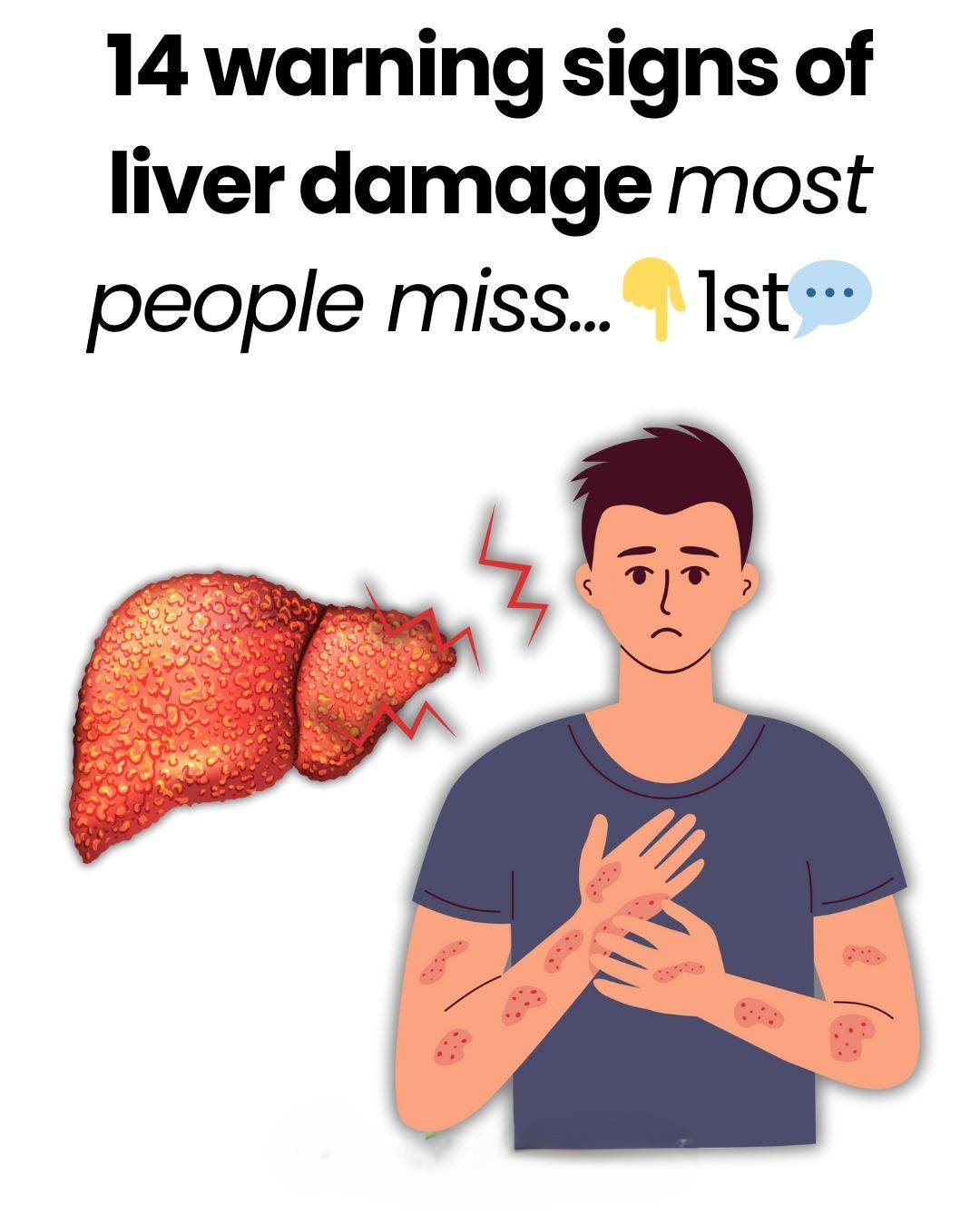
Liver damage can lead to widespread issues in your body. Your liver, located under your rib cage on the right side of your abdomen, filters blood from your gastrointestinal tract, aids in metabolizing food, medications, and chemicals, eliminates toxins and waste products, and produces important proteins. (Updated Feb 19, 2025)
When your liver is injured to the point where it can’t function effectively, it leads to liver damage. This can ultimately progress to liver failure, which requires prompt medical attention.
The most common causes of liver damage include overconsumption of ultra-processed foods, alcohol abuse, certain medications, viral infections, obesity and autoimmune conditions.
Advertisement
Severe liver damage often develops over many years, progressing from inflammation to scarring, known as fibrosis, and then to cirrhosis, when the liver hardens with scars and nodules, and finally to liver failure.
Common diseases of the liver include nonalcoholic fatty liver disease (NAFLD), cirrhosis, drug-induced liver disease, alcohol-related liver disease, hepatitis and liver cancer.
Today, we look at 14 signs of liver damage if you develop cirrhosis, going from early to advanced symptoms.
Symptoms of Liver Damage: Top 14 Signs of Liver Disease You Need To Know
At Number 14, we have “Loss of Appetite”.
When your liver is damaged, it struggles to metabolize fats and proteins from your food, leading to difficulties in bile production and the processing of fatty meals. If you have chronic liver damage, you may experience symptoms such as nausea, vomiting, and a distaste for meals high in fat and protein.
Next, at Number 13 is “Changes In Skin”.
When your liver is damaged, you may experience visible signs on your skin. Hormonal changes can cause small blood vessels to dilate, leading to the appearance of spider veins, especially on your face and torso. You may also notice a blotchy redness on your face, palms, and feet, which can be due to hormonal changes, vitamin deficiencies, or increased pressure in your vascular system.
In more advanced liver damage, jaundice can cause your skin to turn yellow. Jaundice occurs when a waste product called bilirubin builds up in the body, due to the liver’s inability to metabolize it.
Advertisement
At Number 12, we have “Fatigue & Difficulty Concentrating”.
When your liver is damaged, it needs to work harder to carry out its essential functions. This results in you feeling tired all the time and having difficulty concentrating, as your liver filters out toxins at a slower pace than usual.
The liver is also less efficient in breaking down food and absorbing the nutrients needed to maintain mental clarity and overall well-being. In more advanced cases of liver disease, this can lead to hepatic encephalopathy, which is brain damage caused by high levels of toxins in the body. The symptoms of hepatic encephalopathy include forgetfulness, memory loss and confusion.
Moving on to Number 11, we have “Sleep Disturbances”.
Sleep disturbances often trouble those with liver damage. These disruptions worsen as liver disease progresses, leading to a cycle of poor sleep and declining health. You may find yourself unable to sleep due to the discomfort caused by symptoms such as swelling in the abdomen or mental changes associated with hepatic encephalopathy.
Coming into Number 10, is “Loss of Weight & Muscle Wasting”.
When your liver isn’t working properly, it can cause malnutrition. This usually begins with a decreased appetite or frequent nausea, leading to weight loss. For people with cirrhosis, a poor appetite and diet can greatly contribute to muscle wasting (sarcopenia), a decline in muscle mass and strength. They may experience accelerated starvation, where 10 hours of fasting affects them as much as three days of starvation would affect a healthy person.
Next, at Number 9, we have“Abdominal Swelling & Pain”.Abdominal swelling is a telltale sign of cirrhosis. This condition, known as ascites, arises when the loss of proteins in the blood, cause fluid to leave the vessels and accumulate in the space between the tissues which line the abdomen and abdominal organs. This fluid buildup exerts pressure in the abdomen, leading to discomfort and pain.
Portal hypertension, which is high blood pressure in the portal vein that delivers blood from the digestive organs to the liver, can also lead to the development of ascites. The increased pressure and blood pooling can also cause the spleen to enlarge, causing upper left-side abdominal pain that radiates to the back.
The next symptom is, Number 8, “Itchy Skin”.
If you’re experiencing pruritus, or itchy skin, it could be a sign of a liver disease. This itching could be caused by the restriction or stoppage of bile flow from the liver. This type of itching can be so intense that it disrupts your sleep and daily activities. It does not generally involve rash or skin lesions, and is not relieved by scratching. The itching can develop in one area or all over your body, but it’s most commonly felt on the palms of your hands and the soles of your feet.
Our Number 7 symptom is, “Changes in Bowel Movements”.