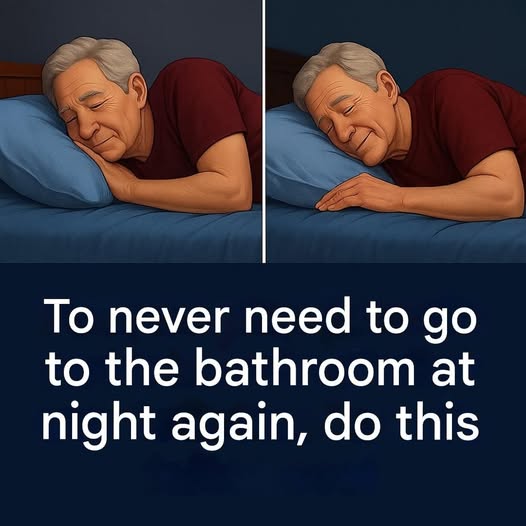
free web tracker You go to bed exhausted, ready to enjoy a long, restful sleep… and yet, at exactly 2 a.m., your eyes open as if an invisible alarm clock has gone off. Frustrating, isn’t it? We often think, “It’s because I drank before bed!”, but behind these nighttime awakenings lies a set of everyday mechanisms, often overlooked. And the good news is: understanding what’s going on can already help improve your sleep. - Page 3 - Hibachirecipes

You go to bed exhausted, ready to enjoy a long, restful sleep… and yet, at exactly 2 a.m., your eyes open as if an invisible alarm clock has gone off. Frustrating, isn’t it? We often think, “It’s because I drank before bed!”, but behind these nighttime awakenings lies a set of everyday mechanisms, often overlooked. And the good news is: understanding what’s going on can already help improve your sleep.

When mental load becomes excessive, however, this nighttime processing can turn disruptive. Unfinished tasks, lingering worries, or unresolved conversations may keep the mind active even when the body longs for rest. You may not consciously feel stressed, yet your thoughts continue to analyze, preventing sustained sleep.

Fortunately, improving sleep does not require drastic changes. Simple habits can make a meaningful difference. Staying hydrated during the day, reducing fluids in the evening, briefly elevating the legs before bed, choosing breathable bedding, calming the mind with gentle routines, and taking one last quiet trip to the bathroom can all help support uninterrupted rest through the night.

Leave a Reply

Your email address will not be published. Required fields are marked *