
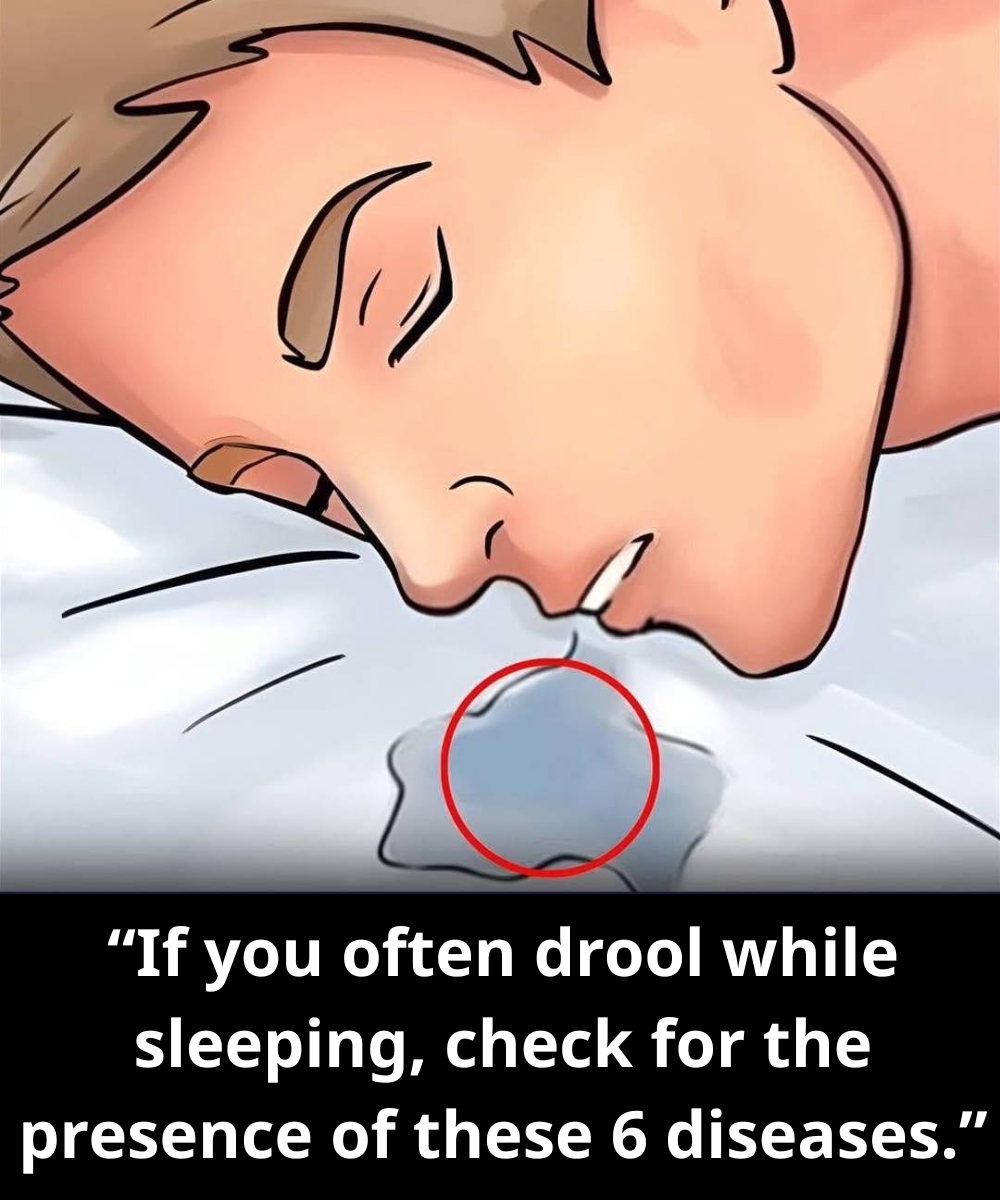
Have you ever woken up with a damp pillow and wondered what happened? Drooling while you sleep may seem harmless—or even funny—but it can also be a sign from your body about your health and sleep quality. Let’s explore the reasons why it happens, when to worry, and what you can do about it.
Sleeping With Your Mouth Open: The Most Common Cause
The simplest reason you drool is gravity. If you sleep on your side or stomach, saliva naturally escapes from your mouth. This becomes even more likely if your nose is blocked due to allergies, colds, or sinus problems.
Quick fix: Changing your position and sleeping on your back often reduces drooling significantly.
Medications That Increase Saliva Production
Few people realize that certain medications can cause excessive salivation. These include:
Antibiotics
Sedatives
Antipsychotics
Even common pain relievers like ibuprofen
This doesn’t mean you should stop your treatment, but talking with your doctor can help adjust the dosage or explore alternatives.
Deeper Causes: When to Investigate
Sometimes, nighttime drooling can signal an underlying condition:
Sleep Apnea – Often paired with loud snoring, morning fatigue, and interrupted sleep.
Gastroesophageal Reflux (GERD) – Causes heartburn and triggers extra saliva as a protective response.Nasal or Throat Issues – Deviated septum, chronic inflammation, or enlarged tonsils force you to breathe through your mouth.