
Introduction
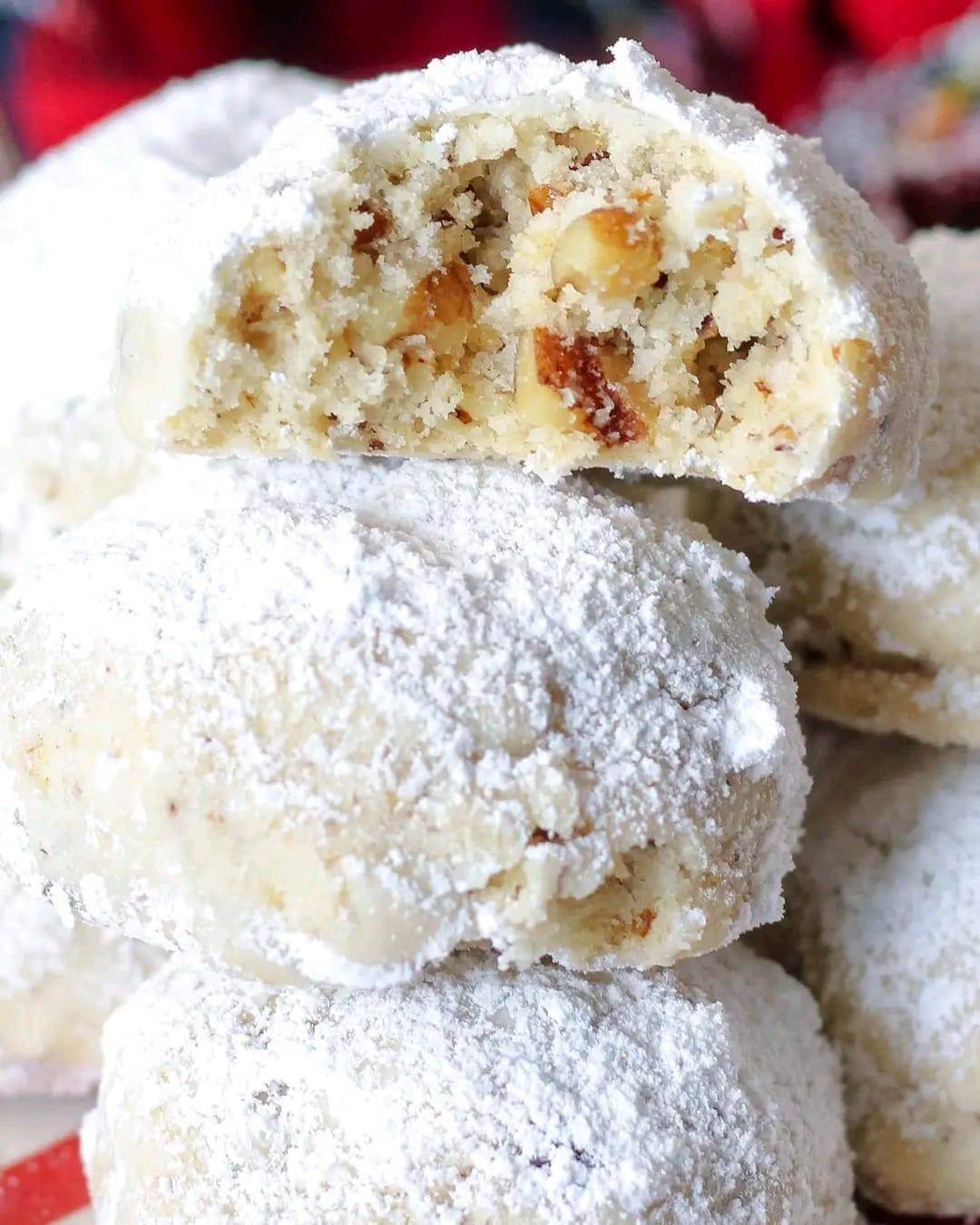
Russian Tea Balls are classic cookies known for their tender texture, nutty flavor, and delicate powdered sugar coating. They go by many names such as Russian tea cakes, snowballs, Mexican wedding cookies, butterballs, or snowballs. They are especially popular during holiday seasons and for festive gatherings. The combination of simple ingredients—flour, butter, sugar, nuts—produces a cookie that’s crisp, crumbly, and melts in the mouth. This article explores the origins of Russian Tea Balls, core ingredients, variations, detailed recipes, nutritional info, tips and tricks, serving suggestions, and how to make them uniquely yours.
History and Origin
Russian Tea Balls are not strictly from Russia in many recipes despite their name. The name “Russian tea cake” appears in literature and recipe collections. They are part of a broader family of nut‑and‑butter cookies coated in powdered sugar that exist in many cultures. These cookies often emerge around Christmas, weddings, and celebrations. They may have roots in European shortbread or jumbles, enriched by ground nuts and sweet coatings. The Mexican wedding cookie variant, for example, is nearly identical and probably shares ancestors with European versions. Wikipedia notes that Russian tea cakes consist generally of flour, butter, nuts, and are rolled in powdered sugar first while hot, then again after cooling.