
The body uses eicosapentaenoic acid (EPA) to produce eicosanoids, which play numerous physiological roles and reduce inflammation. EPA is found in the highest concentrations in herring, salmon, eel, shrimp, and sturgeon. It can also be found in grass-fed animal products such as dairy and meat.
Docosahexaenoic acid (DHA
) is an important structural component of the skin and retina. It is essential for brain development and function in childhood, as well as for brain function in adults. It is no coincidence that its consumption is recommended during pregnancy and breastfeeding. The main sources include fish, fish liver, fish oil, fish liver oil, algae, algae oil, and krill oil.
The other eight omega-3 fatty acids are:
hexadecatrienoic acid (HTA)
stearidonic acid (SDA)
eicosatrienoic acid (ETE)
eicosatetraenoic acid (ETA)
heicosatetraenoic acid (HPA)
docosapentaenoic acid (DPA)
tetracosapentaenoic acid
tetracosahexaenoic acid
PropertiesOmega-3 fatty acids have numerous benefits. They are linked to a lower risk of developing depression and anxiety because they reduce mood swings. DHA is an important structural component of the retina. Therefore, it may help prevent macular degeneration, which can cause vision problems and blindness.
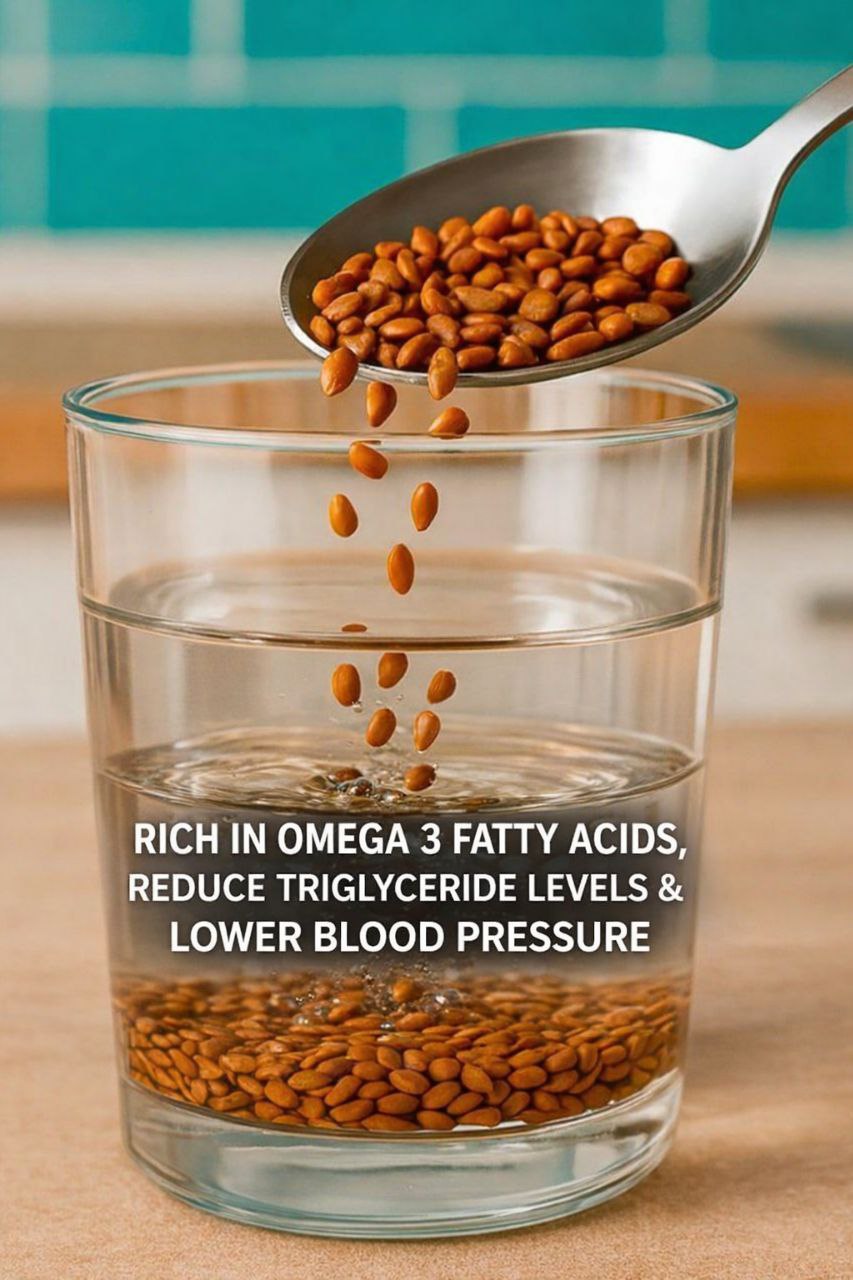
They are also important in preventing cardiovascular disease. Why? They lower triglyceride levels and blood pressure in people with hypertension, may increase HDL cholesterol (the so-called "good" cholesterol), and prevent platelet aggregation. This helps prevent the formation of harmful blood clots. Not only that, but they also fight atherosclerotic plaque, which can narrow and harden arteries.