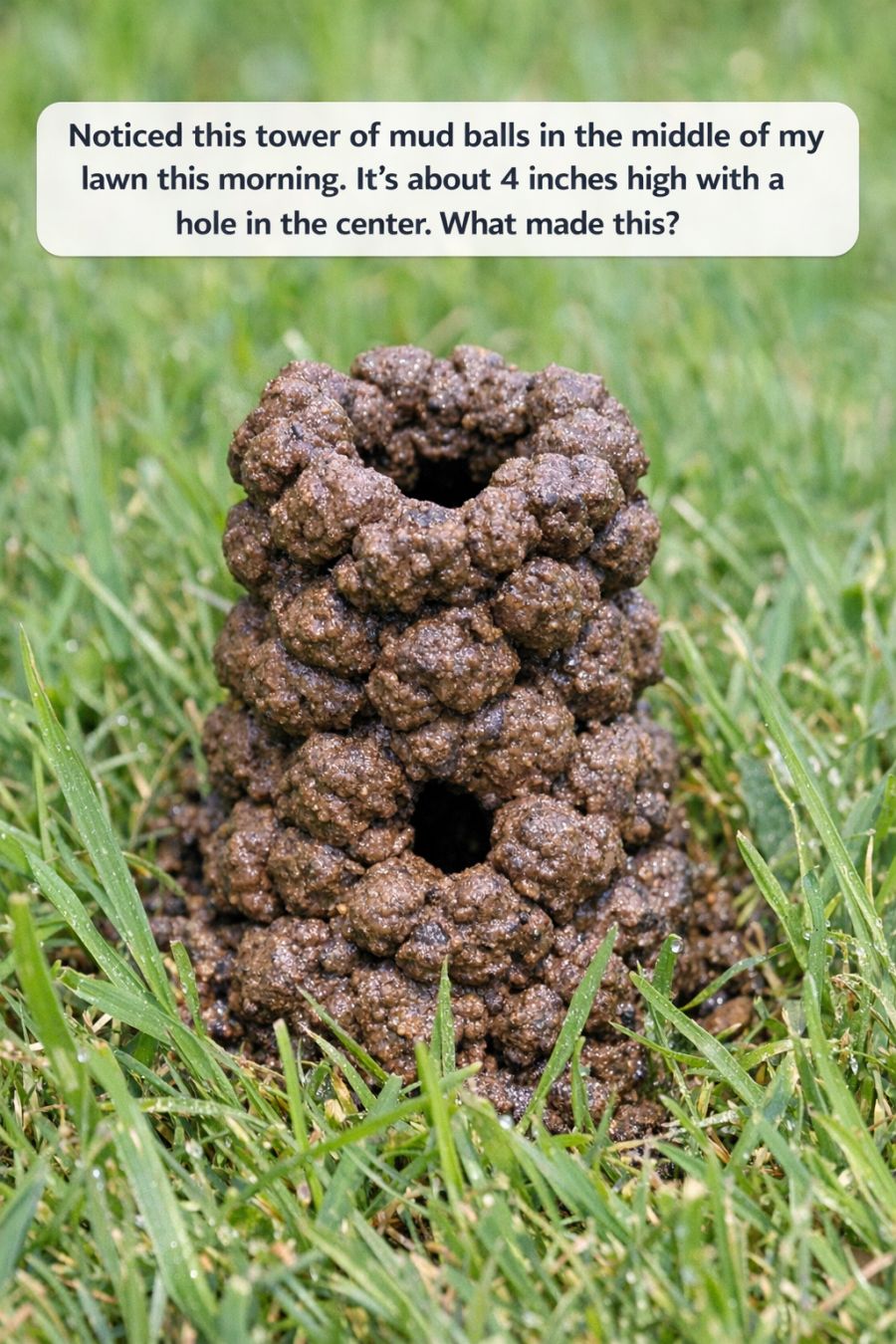
Your yard might also provide abundant food sources, such as organic matter and small invertebrates, making it an ideal habitat for these burrowing creatures. The presence of crayfish can be an indication of a healthy ecosystem, as they often thrive in environments where the soil and water conditions are optimal.
5. Key Clues That Confirm It’s A Crayfish Burrow, Not An Insect Nest
Distinguishing crayfish burrows from other similar structures is essential to understanding what you're dealing with. Unlike ant hills or mole tunnels, crayfish chimneys are composed of larger, distinct mud balls stacked vertically. The central hole is a direct passage to the crayfish's burrow, which can be quite deep compared to insect nests.
Another key indicator is the location. Crayfish burrows are often found in wetter areas of the yard, whereas insect nests might appear in drier, sunnier spots. Observing the size of the mud balls and the overall structure can also help differentiate between a crayfish burrow and an insect nest.
6. When These Mud Towers Appear And How Long They Last
Mud towers created by crayfish typically appear during the wetter months when the ground is saturated, making it easier for these creatures to dig and construct their burrows. This is often in the spring and fall, although the timing can vary depending on regional climate conditions.
The lifespan of these mud towers can vary. They may last several weeks to months, depending on weather conditions and human activity. Rain can erode them quickly, while careful lawn maintenance might prolong their presence. Once the crayfish have completed their burrow, they might abandon the tower, leaving it to naturally disintegrate over time.
7. What’s Going On Underground Beneath That Central Hole
Beneath the central hole of the mud tower lies an intricate network of tunnels and chambers that serve as the crayfish's home. These burrows can extend several feet into the ground, providing the crayfish with a safe and humid environment to live in. The crayfish use these tunnels to escape predators, find food, and reproduce.
The burrow's design allows for efficient air circulation, facilitated by the mud chimney. This ventilation is crucial for maintaining the right balance of humidity and temperature within the burrow, ensuring the crayfish's comfort and survival.
8. Are Crayfish Burrows Bad For Your Lawn Or Garden?
Noticed this tower of mud balls in the middle of my lawn this morning. It’s about 4 inches high with a hole in the center. What made this?