
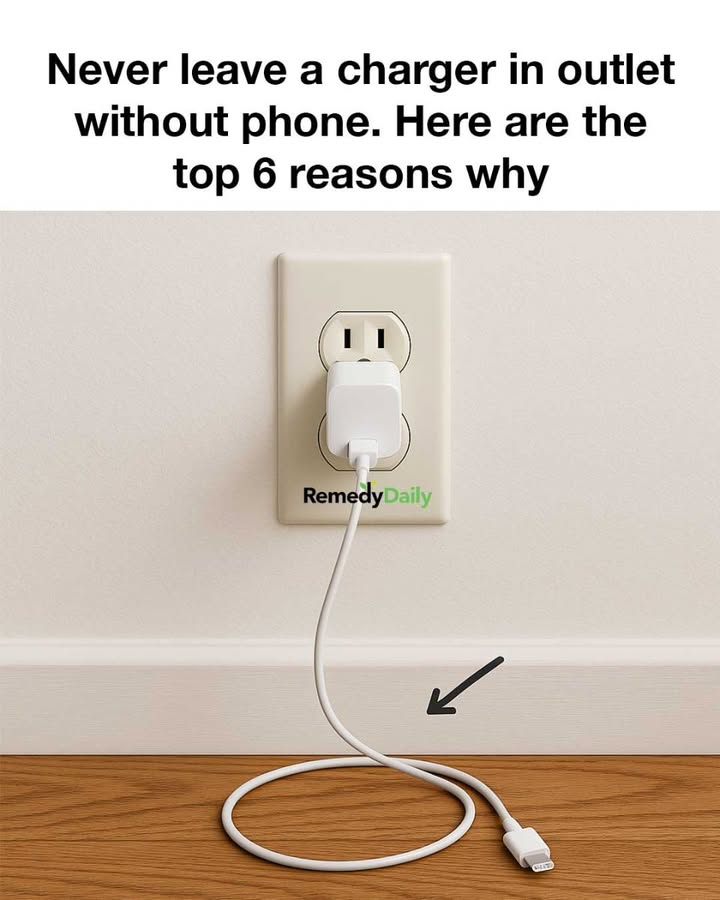
In today’s digital age, chargers have become an essential part of our daily lives, powering our smartphones, tablets, and other electronic devices. However, many people have the habit of leaving their chargers plugged into an outlet even when not in use. This seemingly harmless action can actually pose several risks. From increased energy consumption to potential fire hazards, the consequences of leaving chargers plugged in without a device attached can be significant. Understanding these risks is crucial for both safety and efficiency in our homes and workplaces.
1. Energy Consumption of Idle Chargers
Idle chargers, often referred to as “vampire devices,” continue to draw power even when they are not actively charging a device. This phenomenon, known as standby power or phantom load, contributes to unnecessary energy consumption. While the amount of power drawn by a single charger may seem negligible, the cumulative effect of multiple chargers left plugged in across households and offices can lead to a noticeable increase in energy demand. This not only impacts your electricity bill but also places additional strain on the power grid, especially during peak usage times.
2. Fire Hazards from Unattended Chargers
One of the most concerning risks of leaving chargers plugged in is the potential for fire hazards. Chargers are electrical devices that can overheat if left plugged in for extended periods, especially if they are of poor quality or damaged. Overheating can lead to sparks or even fires, posing a serious threat to property and personal safety. Unplugging chargers when not in use helps minimize the risk of electrical fires, particularly in homes with older wiring or inadequate electrical systems.
3. Reduced Charger Lifespan and Efficiency
Leaving a charger plugged in without a connected device can also affect its lifespan and efficiency. Continuous exposure to electrical current, even in small amounts, can cause gradual wear and tear on internal components. Over time, this may result in reduced charging efficiency or complete failure. By unplugging chargers when they are not in use, you can extend their lifespan and ensure they function optimally when needed.
4. Environmental Impact of Unnecessary Energy Use
The environmental impact of leaving chargers plugged in is another important consideration. Energy consumed by idle chargers contributes to a household’s or office’s overall carbon footprint. This unnecessary energy use leads to increased greenhouse gas emissions, which contribute to climate change. Being mindful of energy consumption habits—such as unplugging chargers—can help reduce environmental impact and support a more sustainable future.
5. Higher Electricity Bills
From a financial perspective, leaving chargers plugged in can gradually increase energy costs. While the expense from a single charger may be small, multiple chargers across a home or office can add up over time. Unplugging chargers when they are not in use reduces energy consumption and can help lower electricity bills. This simple habit can lead to meaningful savings, especially in larger households or workplaces with many devices.
6. Potential Security Risks
In addition to physical and environmental concerns, there can also be security risks. Some modern chargers, particularly those with smart features, may be vulnerable to hacking or unauthorized access if left connected to the power supply. This could potentially lead to data breaches or unauthorized control of connected devices. Unplugging chargers when not in use can help reduce these risks and better protect your personal information and electronics.
Conclusion: Best Practices for Charger Use
To minimize the risks associated with leaving chargers plugged in, it is important to follow safe charging practices. Always unplug chargers when they are not in use and store them in a safe, dry place. Invest in high-quality chargers that meet safety standards, and regularly inspect them for signs of damage or wear. By being mindful of your charging habits, you can improve safety, reduce energy consumption, protect your devices, and contribute to a healthier environment.