
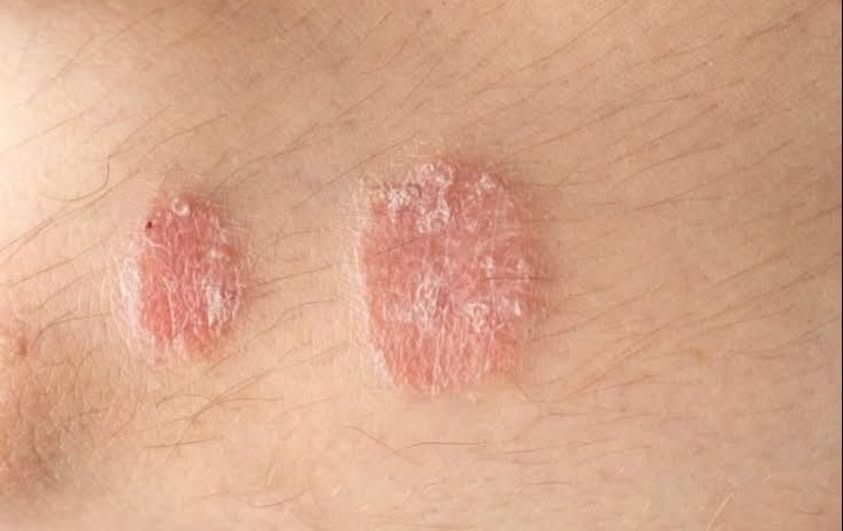
Diagnosis and Treatment
Diagnosing psoriasis typically involves a thorough physical examination by a dermatologist. In some cases, a skin biopsy may be necessary to rule out other skin conditions.
Treatment for psoriasis focuses on managing symptoms and improving quality of life. While there is no cure, various treatment options are available, including:
Topical medications: Creams, ointments, and lotions containing corticosteroids, vitamin D analogs, or salicylic acid can help reduce inflammation and remove scales.
Light therapy: Exposure to ultraviolet (UV) light can slow skin cell growth and reduce inflammation.
Systemic medications: For moderate to severe psoriasis, systemic medications such as oral medications or injections may be prescribed to suppress the immune system.
Living with Psoriasis
Living with psoriasis can be challenging, but with proper management and support, individuals can effectively manage their condition and maintain a good quality of life.
Key takeaways: