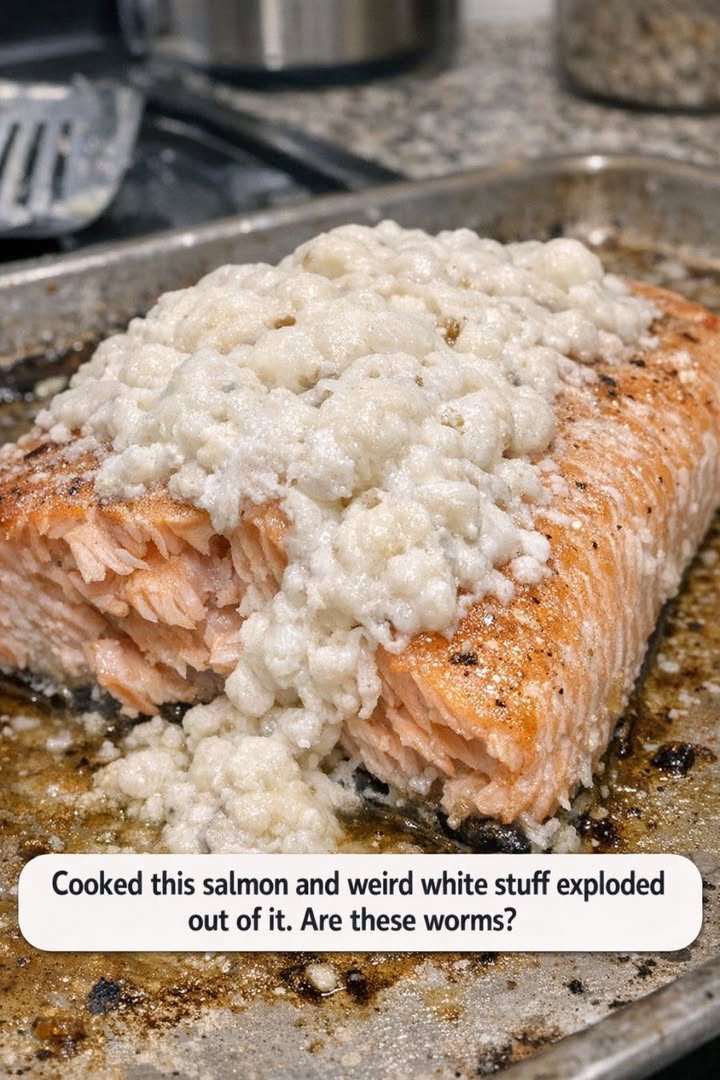
According to food scientists and culinary experts, the presence of albumin on cooked salmon is entirely safe and does not affect the edibility of the fish. It is a natural occurrence and does not indicate spoilage or contamination.
Chefs often recommend simply wiping off the albumin if its appearance is bothersome, as it does not alter the taste or quality of the salmon. The key is to ensure the fish is fresh and cooked to the proper internal temperature.
9. How To Buy Salmon That’s Less Likely To Ooze White Gunk
When purchasing salmon, opt for fresh, high-quality cuts from reputable sources. Look for salmon with vibrant color, firm flesh, and a sea-like smell. Higher-quality salmon, such as those that are fresher or from specific species like King or Sockeye, may leak less albumin.
Ask your fishmonger about the harvest date and storage conditions to ensure you are getting the freshest possible product. Proper handling from the moment of purchase to cooking is crucial in maintaining the quality of the salmon.
10. What To Do If You Really Did Find Worms In Your Fish
If you find what appears to be worms in your salmon, it is important to take immediate action. Do not consume the fish and contact the retailer or supplier to report the issue. Most suppliers will be willing to refund or replace the product.
Cooked this salmon and weird white stuff exploded out of it. Are these worms?